The Role of Naga Sadhus in Kumbh Mela
The Kumbh Mela is a profound and complex event in Hinduism, drawing millions of pilgrims to bathe in the sacred rivers at specific locations across India. This massive spiritual congregation is characterized not only by its scale but also by the diverse array of participants, among whom the Naga Sadhus stand out prominently. Their unique lifestyle, ritualistic practices, and profound spiritual commitment make them a central and captivating element of the Kumbh Mela. Understanding their role provides valuable insight into both the historical and spiritual dimensions of this remarkable festival.
Historical Background of Naga Sadhus
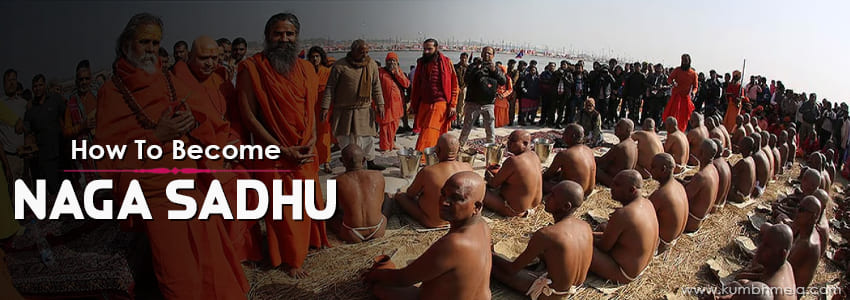
To appreciate the role of Naga Sadhus at the Kumbh Mela, it is essential to understand their historical and spiritual roots. The Naga Sadhus are a sect of Hindu ascetics known for their rigorous ascetic practices and deep devotion to Lord Shiva. The origins of the Naga Sadhus can be traced back to the early Shaiva traditions, which revered Lord Shiva as the ultimate deity. These ascetics are believed to have been formalized during the period of Adi Shankaracharya, a prominent philosopher and theologian of the 8th century CE, who established monastic orders to preserve and propagate Hindu spiritual practices.
Adi Shankaracharya's efforts led to the creation of several “Akhara” (monastic orders), which include the ones that Naga Sadhus belong to today. Among these, the Mahaparinirvani Akhara and the Panchdashnam Juna Akhara are particularly significant. These orders uphold the traditional ascetic practices and spiritual disciplines, playing a pivotal role in the Kumbh Mela.
Recommended Tour Packages
The Naga Sadhus at Kumbh Mela
The Kumbh Mela is held every three years, rotating among four locations: Haridwar, Allahabad (Prayagraj), Ujjain, and Nashik. The festival is deeply rooted in Hindu mythology, commemorating the mythical churning of the ocean (Samudra Manthan) from which the nectar of immortality (amrita) was obtained. The Naga Sadhus' role at this grand event is multifaceted and deeply symbolic.
1. Symbolic Representation and Ritualistic Practices
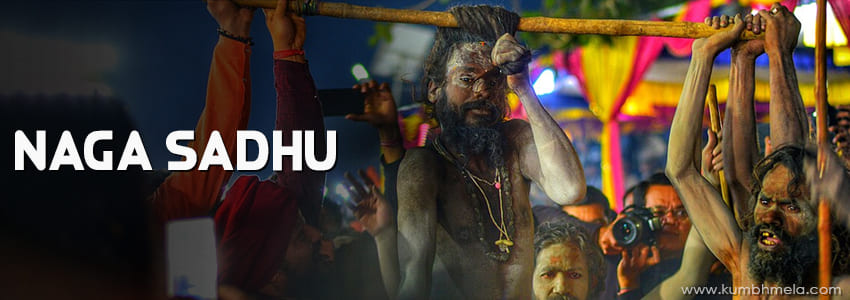
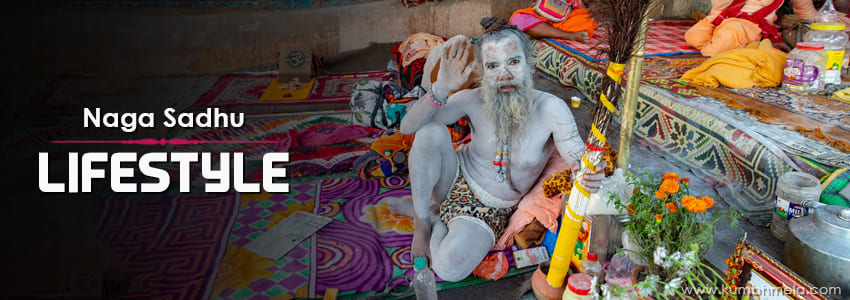
Naga Sadhus are known for their distinctive appearance, characterized by their nakedness and the application of sacred ash (vibhuti) on their bodies. This symbolizes their renunciation of worldly pleasures and their complete devotion to the divine. They often carry symbols of Lord Shiva, such as tridents (trishuls) and skulls, which signify their connection to Shiva and their role as his devout followers.
At the Kumbh Mela, Naga Sadhus are often the first to take the ritualistic holy dip in the river. This act is imbued with spiritual significance, representing their role as purifiers and intermediaries between the divine and the devotees. Their early immersion in the sacred waters is considered a mark of their spiritual superiority and an essential ritual that sets the tone for the festival.
2. Ceremonial Processions
The ceremonial processions led by Naga Sadhus, known as "Peshwai," are one of the most visually striking and significant aspects of the Kumbh Mela. These processions feature elaborate displays, including traditional music, decorated elephants, horses, and other ceremonial elements. The Naga Sadhus, adorned with elaborate costumes and carrying symbolic weapons, lead these processions, adding to the grandeur and mystique of the event.
These processions are not merely ceremonial but also serve as a demonstration of the hierarchical structure within the Akharas. The leadership and prominence of Naga Sadhus in these processions reflect their high status within the spiritual hierarchy and their pivotal role in maintaining the sanctity and order of the festival.
3. Spiritual Guidance and Interaction with Devotees
Despite their austere lifestyle, Naga Sadhus engage actively with the pilgrims attending the Kumbh Mela. Their presence is a source of inspiration for many devotees, who come to seek blessings and spiritual guidance. The interactions between Naga Sadhus and pilgrims offer insights into the ascetic lifestyle and spiritual philosophies of these revered figures.
Naga Sadhus often impart spiritual teachings and provide blessings to the devotees, bridging the gap between the divine and the human. Their involvement in the Mela extends beyond mere ritualistic functions; they serve as living symbols of spiritual dedication and asceticism.

Cultural and Social Impact of Naga Sadhus
The impact of Naga Sadhus on the Kumbh Mela extends far beyond their ritualistic and ceremonial roles. They contribute significantly to the cultural and social dynamics of the festival:
1. Preservation of Tradition
Naga Sadhus are custodians of ancient spiritual traditions and practices. Their participation in the Kumbh Mela preserves and perpetuates the rich heritage of Hindu asceticism. Through their rituals, processions, and interactions, they keep alive the historical and cultural essence of the festival, providing a living connection to the past.
2. Influence on Pilgrims and the Public
The presence of Naga Sadhus attracts significant media attention and public interest. Their distinctive appearance and extreme ascetic practices captivate both local and international audiences. This visibility helps to highlight the diversity within Hinduism and brings attention to the profound spiritual practices that might otherwise remain less known.
3. Spiritual Inspiration
For many pilgrims, Naga Sadhus represent the ideal of spiritual purity and dedication. Their unwavering commitment to ascetic practices and their deep devotion to Lord Shiva inspire countless devotees to reflect on their own spiritual journeys. The sight of Naga Sadhus engaging in extreme penances and living a life of total renunciation serves as a powerful reminder of the spiritual goals that the Kumbh Mela aims to emphasize.
Challenges and Controversies
The role of Naga Sadhus at the Kumbh Mela is not without its challenges and controversies:
1. Public Perception and Misconceptions
The extreme ascetic practices of Naga Sadhus can sometimes lead to misunderstandings about their true nature. Their public image, which includes accepting donations for photographs or participating in grand processions, may seem contradictory to their vow of renunciation. These discrepancies can fuel debates about the authenticity of their asceticism and the commercialization of their spiritual practices.
2. Safety and Logistical Issues
The massive scale of the Kumbh Mela presents significant logistical challenges. Ensuring the safety of Naga Sadhus and other participants requires meticulous planning and coordination. The vast crowds and the scale of the event can sometimes lead to tensions between traditional practices and modern safety measures, impacting the smooth execution of rituals and processions.
3. Internal Conflicts
The Akharas to which Naga Sadhus belong can experience internal conflicts and rivalries. These disputes, often rooted in historical, ideological, or organizational differences, can affect the harmony and unity of their presence at the Kumbh Mela. Managing these internal dynamics is crucial to maintaining the overall integrity and smooth functioning of the festival.
Conclusion
The Naga Sadhus play a vital and multifaceted role in the Kumbh Mela, serving as symbols of ascetic dedication, spiritual purity, and historical continuity. Their presence adds depth and significance to the festival, reflecting the rich tapestry of Hindu spiritual practices. Despite the challenges and controversies that surround them, Naga Sadhus remain central to the Kumbh Mela, embodying the profound spiritual ideals and cultural traditions that define this grand festival. Their role offers a unique perspective on the intersection of ancient spiritual practices and contemporary religious observance, making the Kumbh Mela a richer and more meaningful experience for millions of devotees worldwide.
Was this article helpful?
40 out of 84 found this helpfulSearch & Book Your Next Adventure
Get a QuoteOur dedicated team of local experts are available 24/7, ready to provide assistance whenever you need it
Related Blog
- Most Famous Religious Places in Ujjain
- Best Places to Visit in Haridwar
- Kumbh Mela – A Lifetime Experience
- Best Time to Visit Prayagraj
- Rituals of Kumbh Mela
- How to Plan for Maha Kumbh Mela
- Bathing Ghats at Prayagraj Kumbh Mela
- 8 Best Places to Visit in Omkareshwar
- Top 10 Tips for Indian Pilgrims
- Somnath Jyotirlinga Temple in Gujarat State of India
- 30 Ultimate Places to Hangout in Delhi with Friends
- Road Tripping: The Perfect Bucket List!
- Char Dham Yatra Package by Helicopter from Atlas Travel
- Rajasthan – The Incredible State of India
- 9 Tips for Travelling with Your Dogs
- Where to Celebrate the Festival of Light in India
- Must See Destination in Delhi for a Solo Traveler
- Best Places To Visit In Kerala In December
Kumbh Mela Accommodation
Similar Tour Packages


- FOR QUICK SupportWe are available here 24*7, Call & get more details about tour
CALL US NOW
(+91) 8920-019-577- GET IN TOUCH

 Call
Call Enquiry